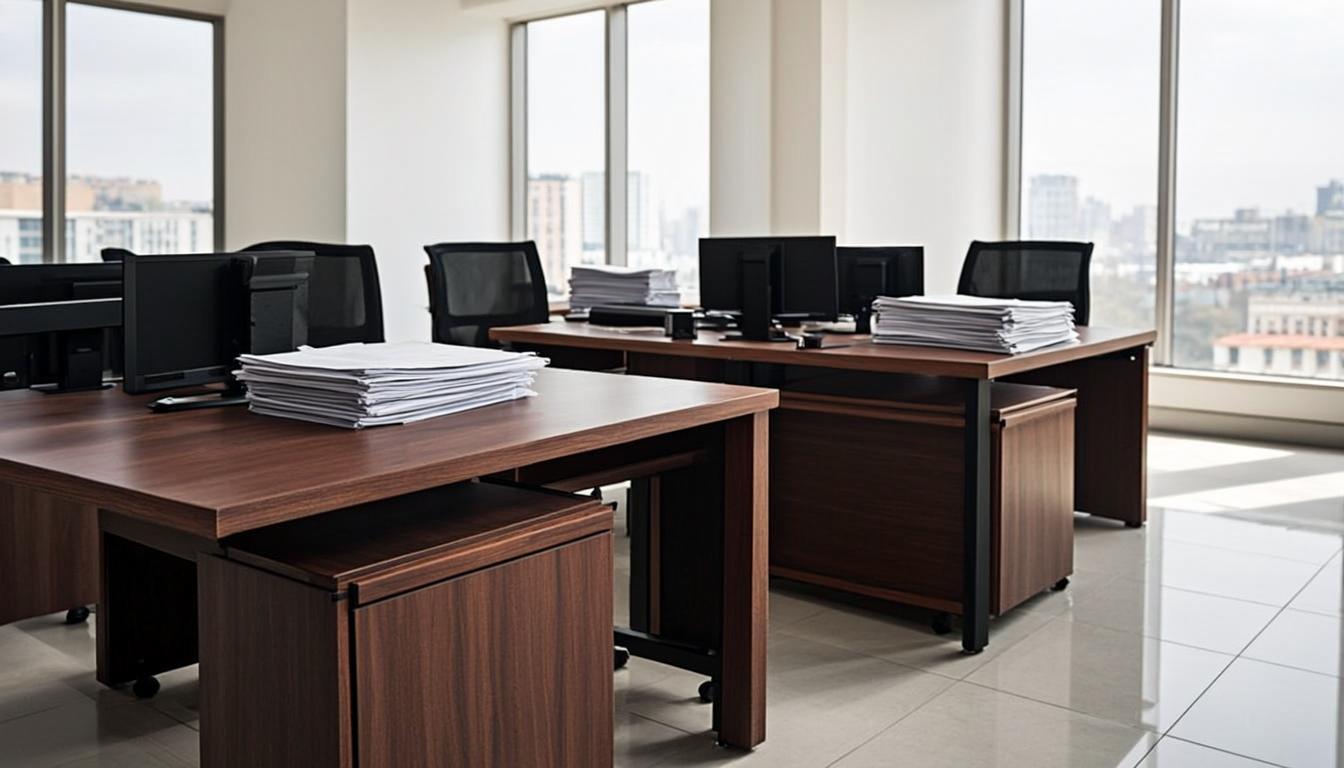
A good cleaning schedule should feel invisible to your team in the best possible way. The workspace stays fresh, washrooms stay hygienic, and shared spaces stay presentation-ready without constant disruption.
Poorly designed schedules either overspend on unnecessary tasks or neglect the areas that matter most. A cost-effective plan balances hygiene risk, building usage, client expectations, and budget discipline.
Start by mapping how your office is actually used
Reception areas, washrooms, kitchens, meeting rooms, and open-plan desks do not collect soil at the same rate. The most efficient cleaning programmes begin with traffic patterns, not assumptions.
High-touch and customer-facing spaces usually need daily attention. Lower-risk zones may only need periodic deep cleaning or scheduled rotation tasks.
Use a tiered schedule instead of one cleaning frequency for everything
Daily maintenance keeps visible standards high, but weekly and monthly tasks are where long-term quality is protected. Carpets, glass, upholstery, skirting edges, and hard-to-reach dust zones all need planned interventions.
A tiered approach helps procurement teams budget more accurately and avoids the stop-start cycle of waiting until a space looks visibly dirty before reacting.
- Daily: washrooms, kitchens, entrances, desks, and touchpoints.
- Weekly: workstations, meeting rooms, internal glass, and detailed dusting.
- Monthly or periodic: carpets, upholstery, windows, hard floors, and deep sanitation tasks.
Measure results, not just hours worked
A cost-effective schedule is not simply the cheapest one. It is the one that maintains workplace standards with the least waste, the fewest complaints, and the strongest consistency over time.
Review whether the building feels cleaner, whether absenteeism or complaints change, and whether management spends less time chasing service corrections. Those indicators say more than the cleaning hours alone.
Frequently asked questions
What is the best cleaning schedule for a medium-sized office?
Most medium offices benefit from daily maintenance in high-use areas, weekly detailing for workspaces and glass, and periodic deep cleaning for carpets, upholstery, and restoration work.
How can businesses reduce cleaning costs without lowering standards?
By matching task frequency to real traffic, improving supervision, using the correct products, and combining daily maintenance with scheduled deep cleaning instead of reactive emergency work.
Need help applying this advice?
Talk to Vifara about your site, team, and cleaning standards
We help businesses across Harare and Zimbabwe build practical cleaning systems for offices, healthcare spaces, food-related environments, and other commercial facilities.