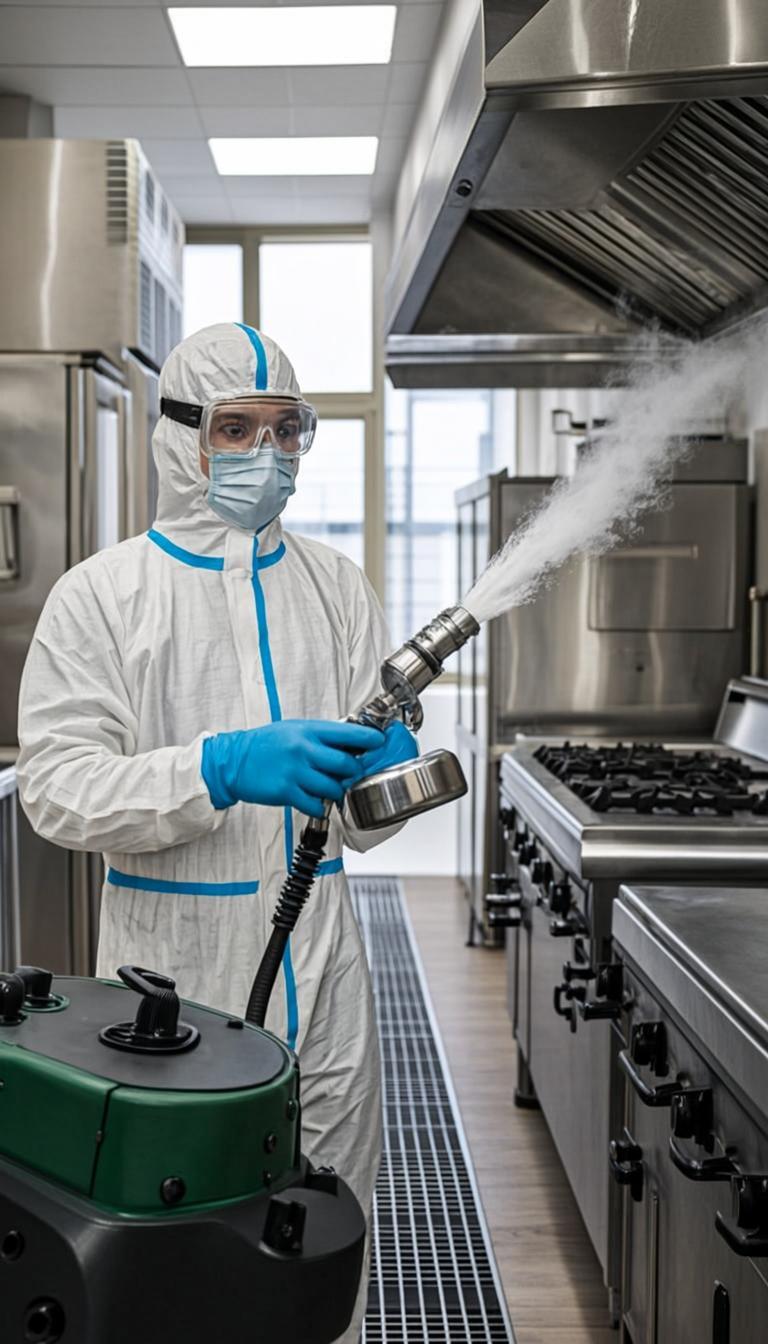
Food storage environments are especially vulnerable to pest activity because they combine shelter, warmth, and food sources in one place. Once pests gain access, the consequences can include contamination, customer complaints, stock losses, and regulatory pressure.
That is why safe pest control for warehouses and food storage facilities should focus on prevention, monitoring, and targeted intervention rather than over-reliance on broad chemical application.
Why food storage facilities need an integrated approach
Rodents, crawling insects, and flying pests can all exploit small structural gaps, poor stock rotation, and weak housekeeping routines. A one-off fumigation may reduce the visible problem briefly, but it rarely solves the root cause.
Integrated pest management combines inspection, sanitation, exclusion, monitoring, and controlled treatment. This creates a safer and more durable programme for food-related environments.
Prevention controls reduce repeat infestations
The best pest control results usually come from operational improvements: sealing entry points, improving storage discipline, removing standing water, cleaning spillages quickly, and reducing clutter that creates nesting zones.
When these controls are weak, treatment becomes more frequent and less cost-effective.
- Inspect loading bays, vents, doors, and drainage lines regularly.
- Keep stock off walls and floors to improve visibility and access.
- Track pest sightings and bait station checks in a formal log.
Safe treatment must align with food safety priorities
Targeted treatment matters in facilities where food is stored or handled. Product choice, application method, and timing must be suitable for the environment and carefully documented.
A professional programme will also include communication with site teams so everyone understands access controls, waiting periods, and any follow-up hygiene steps after treatment.
Frequently asked questions
What is the safest pest control approach for food storage sites?
Integrated pest management is typically the safest and most effective approach because it prioritises prevention, monitoring, and targeted treatment instead of routine blanket spraying.
How often should food storage sites be inspected for pests?
Inspection frequency depends on the facility size, product type, and risk profile, but regular documented inspections are essential to catch issues before they become major infestations.
Need help applying this advice?
Talk to Vifara about your site, team, and cleaning standards
We help businesses across Harare and Zimbabwe build practical cleaning systems for offices, healthcare spaces, food-related environments, and other commercial facilities.